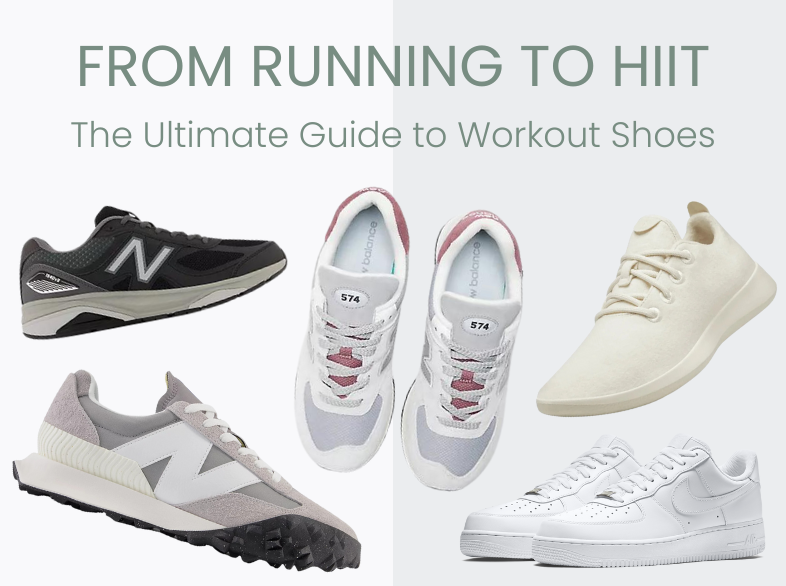
Whether running daily on pavement, hitting the gym for a cross-training session, or playing basketball with friends, wearing the right sneakers will allow for optimal support, stability, and comfort while working towards your fitness goals safely and efficiently.
This article outlines 5 essential considerations when purchasing workout sneakers to ensure an informed choice that satisfies your needs and preferences. So, let’s get started!
Type of Exercise
Every activity requires specific footwear features to optimise performance and reduce injury risks, so be mindful when purchasing new kicks.
- Running
If running is your preferred form of exercise, purchase sneakers with ample cushioning in both heel and forefoot areas to absorb impact while returning energy during each stride, along with stability and support features if your gait tends towards overpronation or supination.
- Cross-Training
For diverse workouts that combine weightlifting, plyometrics, and cardio, choose cross-training shoes. They should offer flat soles suitable for weightlifting, cushioned soles for dynamic moves like box jumps, and reinforced lateral support providing side-to-side stability.
- High-Intensity Interval Training (HIIT)
To keep pace with HIIT workouts’ quick movements, go for lightweight sneakers with responsive cushioning that provide secure midfoot support to avoid slippage during lateral moves while remaining stable enough for activities like burpees and agility drills.
- Court Sports
For basketball, tennis, and volleyball, choose sneakers with durable rubber outsoles for traction, lateral support to prevent ankle sprains, and cushioning for shock absorption during jumping and landing.
- Walking
When it comes to walking or strolling, look for shoes with flexible midsoles for natural rolling motion, ample cushioning in the heel and arch areas to absorb shock absorption, and an air-permeable upper that keeps feet cool and dry during long-distance travel.
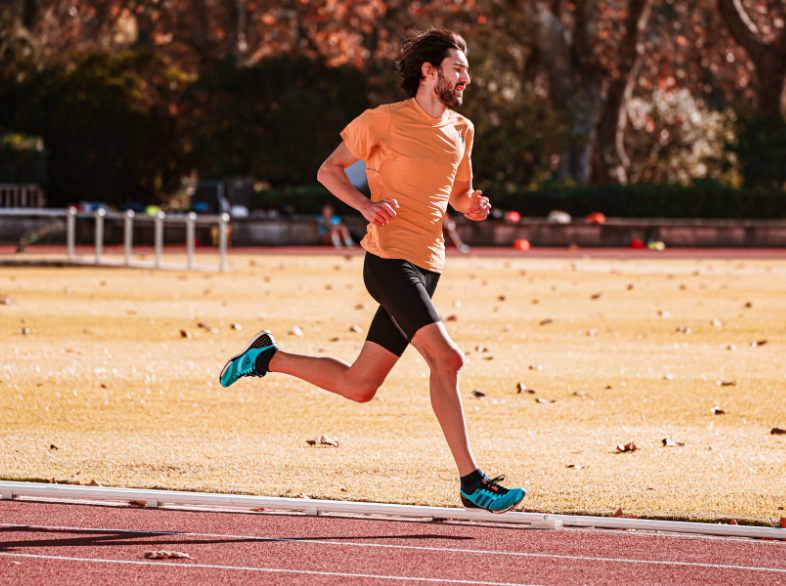
Support and Stability
Sneakers that provide adequate support and stability are vital to minimising injury risks during high-impact activities. Here are specific details you need to keep in mind:
- Ankle Support
When participating in exercises that involve lateral movement, such as agility drills or court sports, look for high-top or mid-top designs to offer extra ankle joint stability, reducing sprains or twists with sudden direction changes.
- Cushioning
When engaging in high-impact activities like running or plyometrics, choose sneakers equipped with ample midsole cushioning. Materials like EVA foam or gel inserts offer excellent protection without restricting responsiveness.
- Arch Support
Flat-footed individuals may require shoes with built-in arch support to distribute weight evenly and reduce strain on the arches. In contrast, those with high arches could benefit from cushioned support that accommodates their natural curve.
- Sole Stability
For maximum stability on various surfaces, opt for sneakers with durable rubber outsoles with multidirectional treads. Ensure the sole balances stability with flexibility to enable natural foot movement when performing lunges or squats.
- Pronation Control
Pronation is the natural inward rolling motion of the foot during walking or running; therefore, choose sneakers with pronation control features like medial posts or firmer midsoles on the inner edge to promote neutral foot alignment and decrease overuse injuries.
Also Read: All You Need to Know About Bapesta – by A Bathing Ape
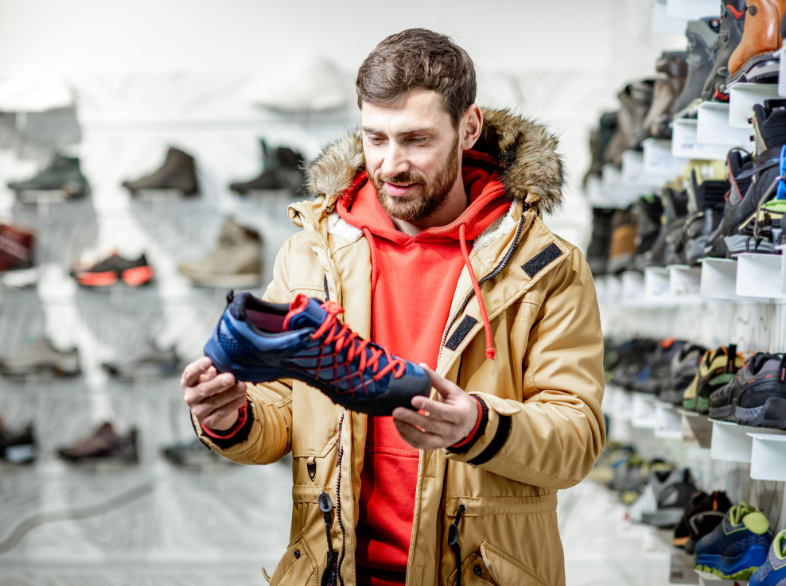
Fit and Comfort
Misfitted footwear can cause discomfort, blisters, and more serious foot conditions that impede performance. Here is what to keep in mind when finding your ideal pair:
- Toe Box Space
Make sure there is ample toe box room so your toes have enough wiggle room. Aim for approximately a thumb’s width between your longest toe and the end of the shoe as an optimal target size for toe box spacing.
- Heel Support
Test for proper heel support by gently pressing down on the back of the shoe; your heel should remain firmly in place without any excessive movement.
- Width
Some brands offer different width options to accommodate varying foot shapes. If your feet have wide or narrow feet, look for shoes with sufficient width to prevent pinching and rubbing at their sides.
- Sock Selection
Thick, cushioned socks may require slightly more room in a shoe compared to thinner options. Try on shoes with the socks you wear during exercise to ensure the perfect fit.
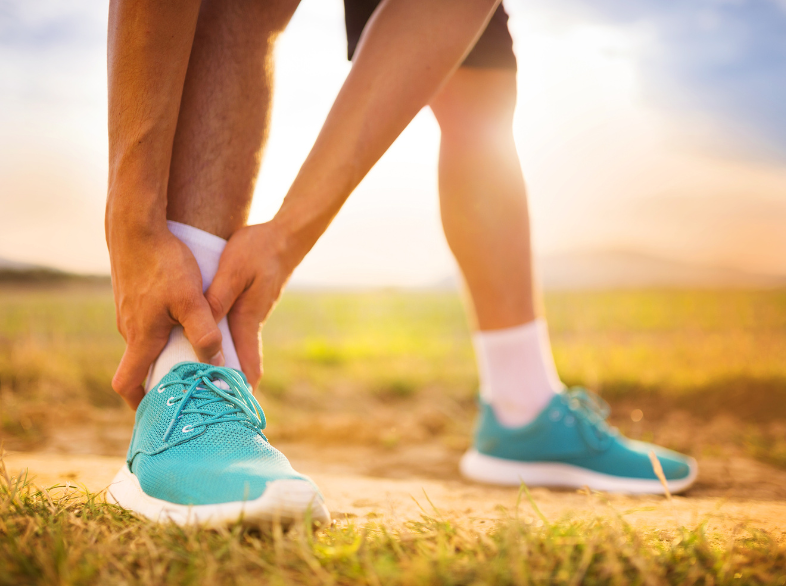
Durability and Quality
Durability and quality should always come first when choosing sneakers to accommodate the rigorous nature of training regimens and provide long-lasting performance. Consider:
- Construction Materials
Look for long-wearing sneakers crafted with quality materials like reinforced overlays or synthetic leather in high-wear areas such as the toe box and heel counter to prevent premature wear and tear.
- Outsole Durability
Look for sneakers with durable rubber outsoles and sturdy tread patterns designed to withstand friction and abrasion, increase longevity, and provide reliable traction on indoor or outdoor surfaces.
- Midsole Integrity
Look for shoes featuring ethylene-vinyl acetate (EVA) foam or proprietary cushioning technologies known for their ability to maintain their shape and responsiveness over time.
- Stitching and Bonding
Choose durable sneakers with reinforced stitching and bonded overlays for structural integrity, preventing separation over time. Avoid shoes with glue-on components that may peel and compromise durability.
Breathability and Moisture Management
Breathability and moisture management in workout sneakers are crucial to ensuring comfort and foot health. Consider these details:
- Breathable Upper Materials
Select sneakers made of breathable upper materials, such as mesh or knit uppers, to keep your feet cool and dry thanks to airflow that vents excess heat and moisture from building up inside them.
- Moisture-Wicking Linings
Opt for sneakers with moisture-wicking linings like Dri-Fit or Coolmax to keep your feet dry and comfortable during workouts. Look for removable insoles made of these materials to draw moisture away from your skin effectively.
- Ventilation Features
Look for sneakers with perforated panels or ventilation holes for heat to escape and fresh air to enter, preventing overheating during workouts. Some shoes have breathable overlays or cutouts for added airflow without sacrificing structural integrity.
- Breathable Tongue and Collar
Choose sneakers with perforated tongues and collars for maximum moisture control around the ankle and instep areas. Padded tongues provide cushioned support without hindering airflow, ensuring optimal conditions for dry feet.
To Sum It All Up
Appropriate sneakers for your workouts are vital to enjoying an injury-free fitness experience. By understanding and making informed choices based on these critical criteria, your performance and motivation to remain active will increase, so choose wisely as you head into your fitness regime!
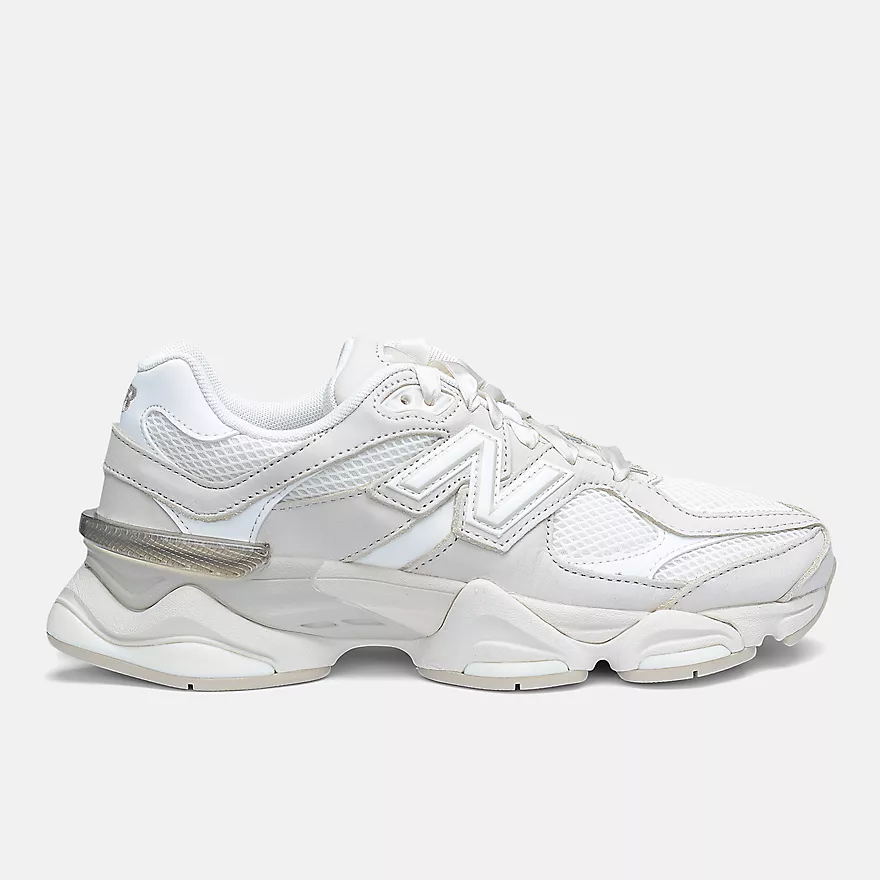
New Balance 9060 vs ASICS Gel Kayano
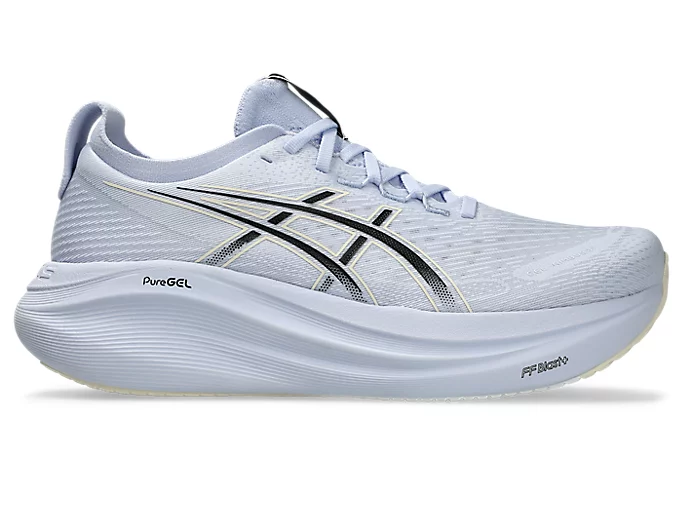
ASICS Gel-Nimbus 27 vs HOKA Clifton 10

Training Shoes Vs Running Shoes
7 Best Everyday Running Shoes of 2025 for Comfort

How to Clean White Sneakers Without Damage | Easy Guide

Sneaker Releases 2026

How to Price Your Sneakers for Resell

The Best Athleisure Sneakers – 2024

Air Jordan 1 Nike “Black Toe Reimagined” Gets an On-Foot Look

The Air Max Dn Joins the “Blueprint” Prototype Party!


